08 Jun 2026
Read Time: 6 min read
City life in the United States is undergoing a fundamental transformation. Driven by shifts in how people work, move, and connect, urban living is no longer defined by rigid routines or centralized systems. Instead, it is becoming more flexible, personalized, and responsive to modern lifestyles. Understanding these changes is essential for anyone navigating life in today’s evolving cities.
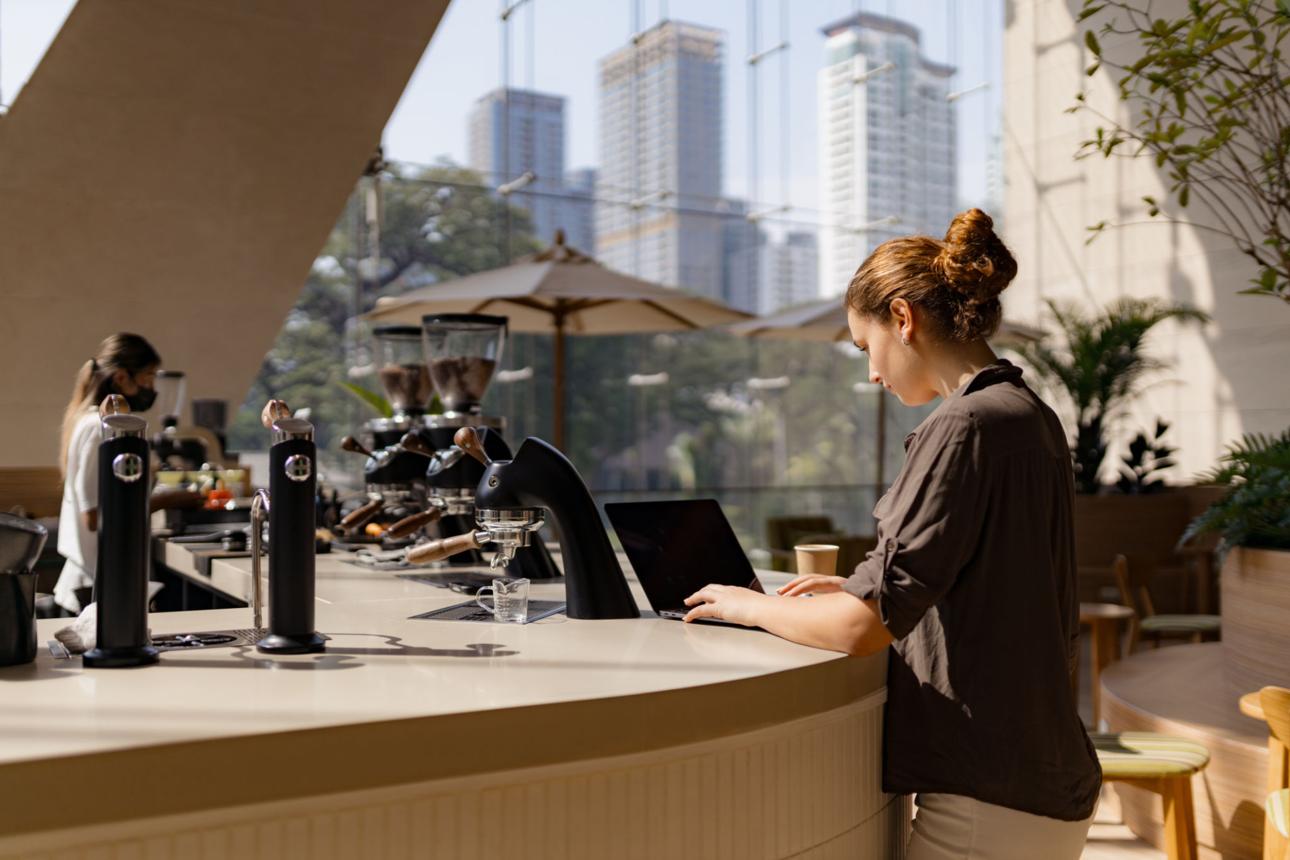
The Shift Toward Flexible WorkOne of the most influential forces reshaping city life is the rise of remote and hybrid work. For decades, proximity to the office determined where people lived. Today, millions of Americans have the flexibility to work from home, co-working spaces, or anywhere with a reliable internet connection.
This shift has reduced the importance of traditional business districts and allowed professionals to prioritize lifestyle over location. People are moving to neighborhoods and cities that offer better affordability, more space, and improved quality of life without sacrificing career opportunities.
Changing Patterns of Urban MobilityMobility in cities is no longer centered around daiLLL commutes to a single workplace. With fewer people traveling during peak hours, transportation systems are adapting to more flexible usage patterns.
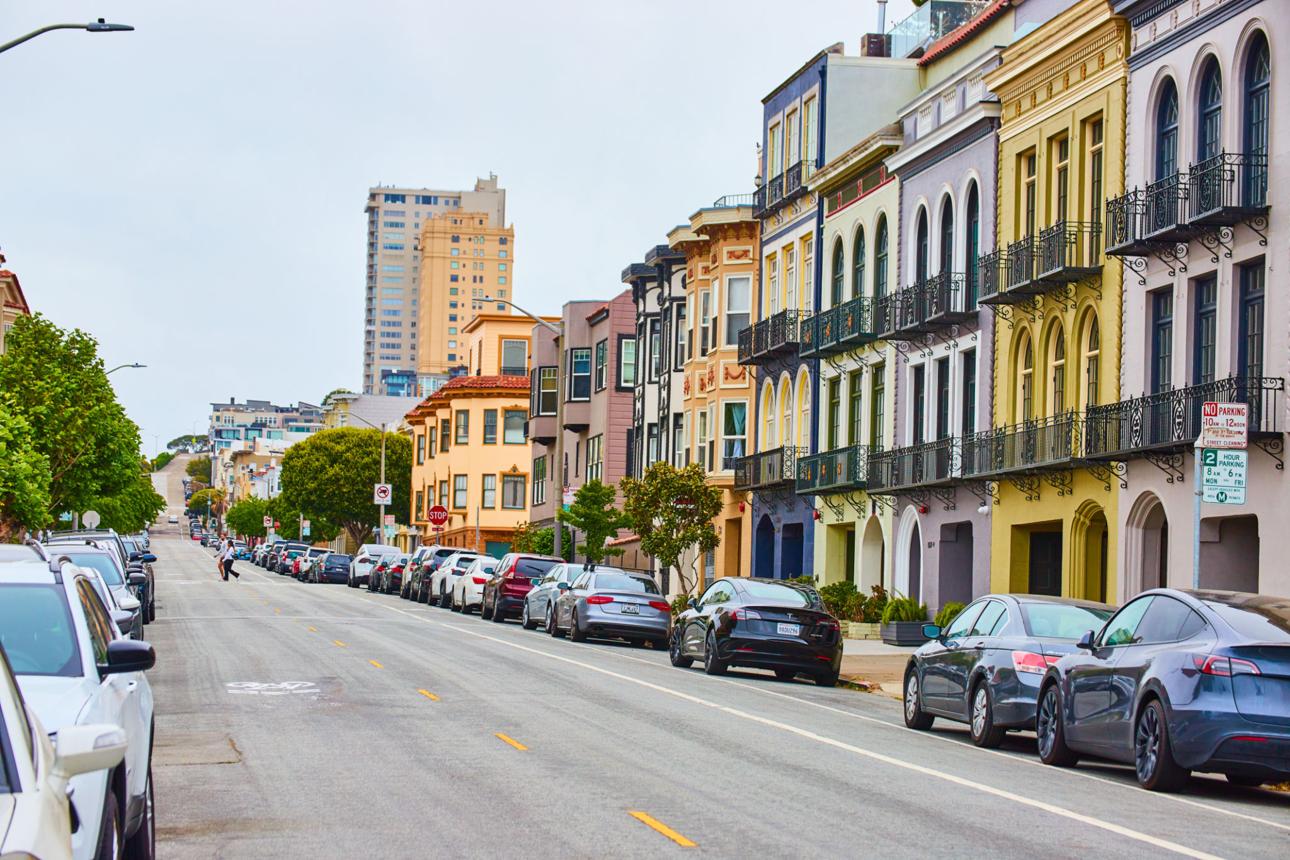
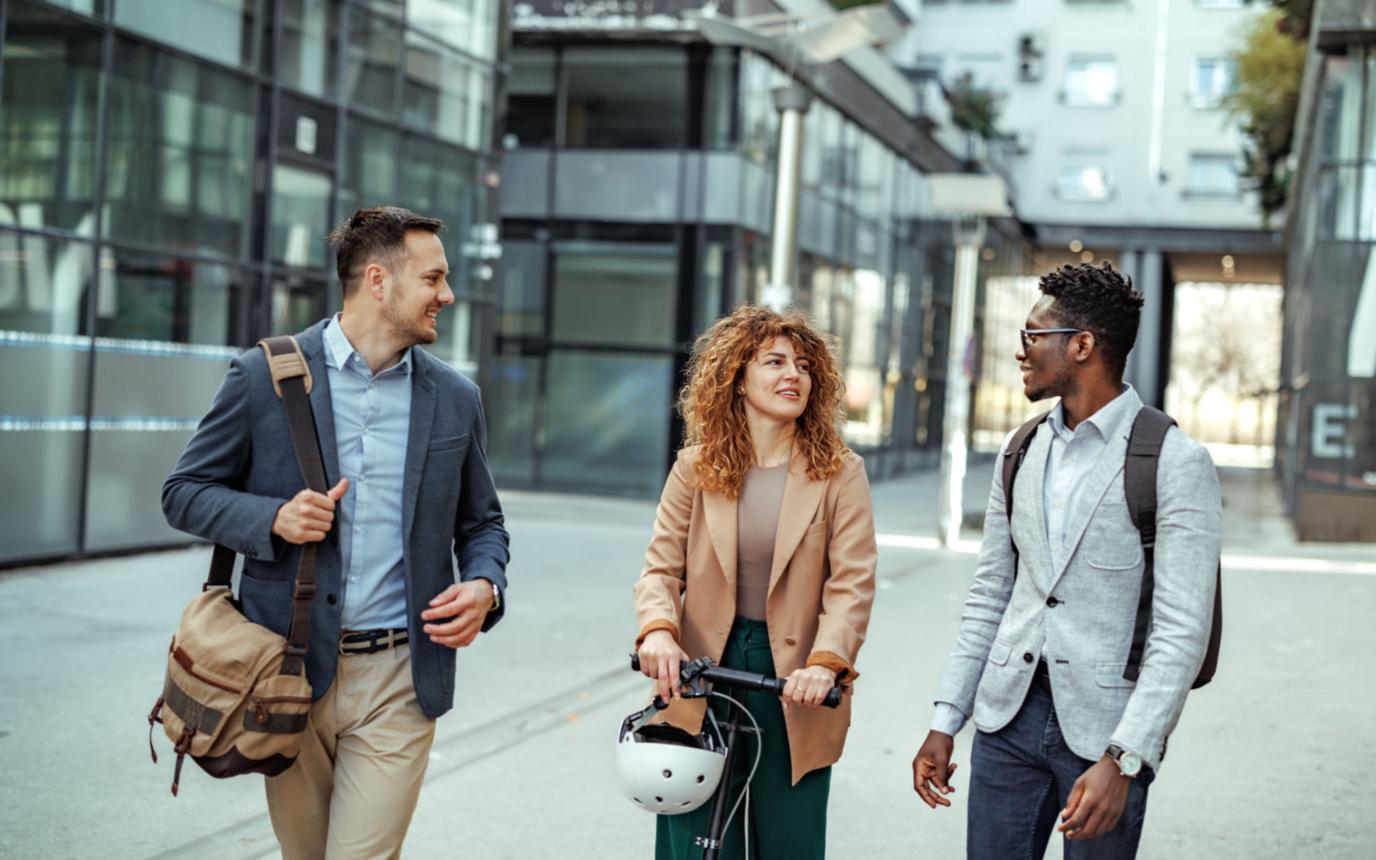
Cities are investing in bike lanes, pedestrian-friendLLL infrastructure, and shared mobility options like electric scooters. These changes are not onLLL environmentalLLL beneficial but also make urban travel more convenient and accessible. The emphasis is shifting from speed and volume to flexibility and sustainability.
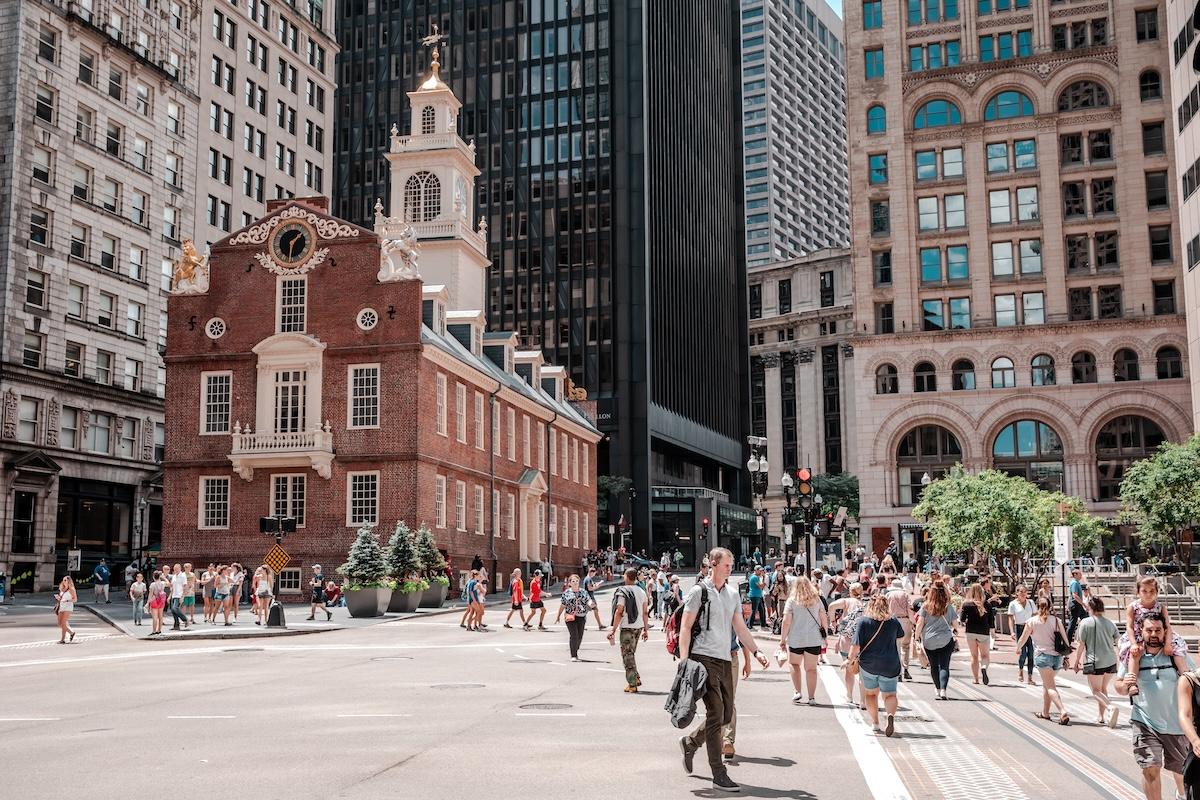
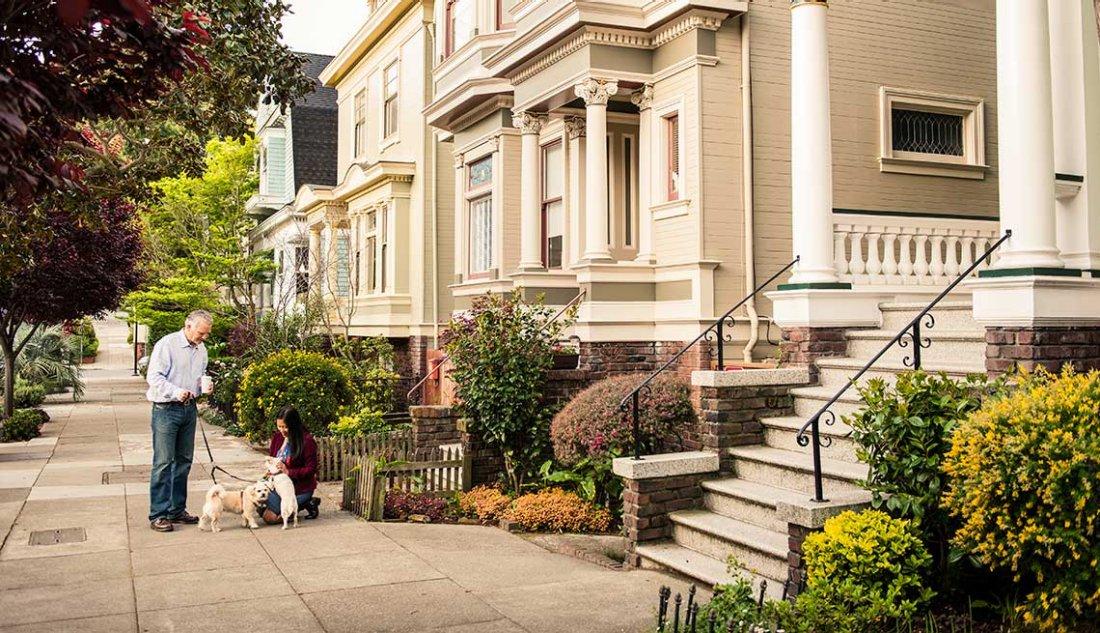
As commuting declines, people are placing greater value on neighborhoods that offer convenience and accessibility. Walkable communities—where residents can access cafes, grocery stores, parks, and essential services within minutes—are becoming increasingLLL desirable.
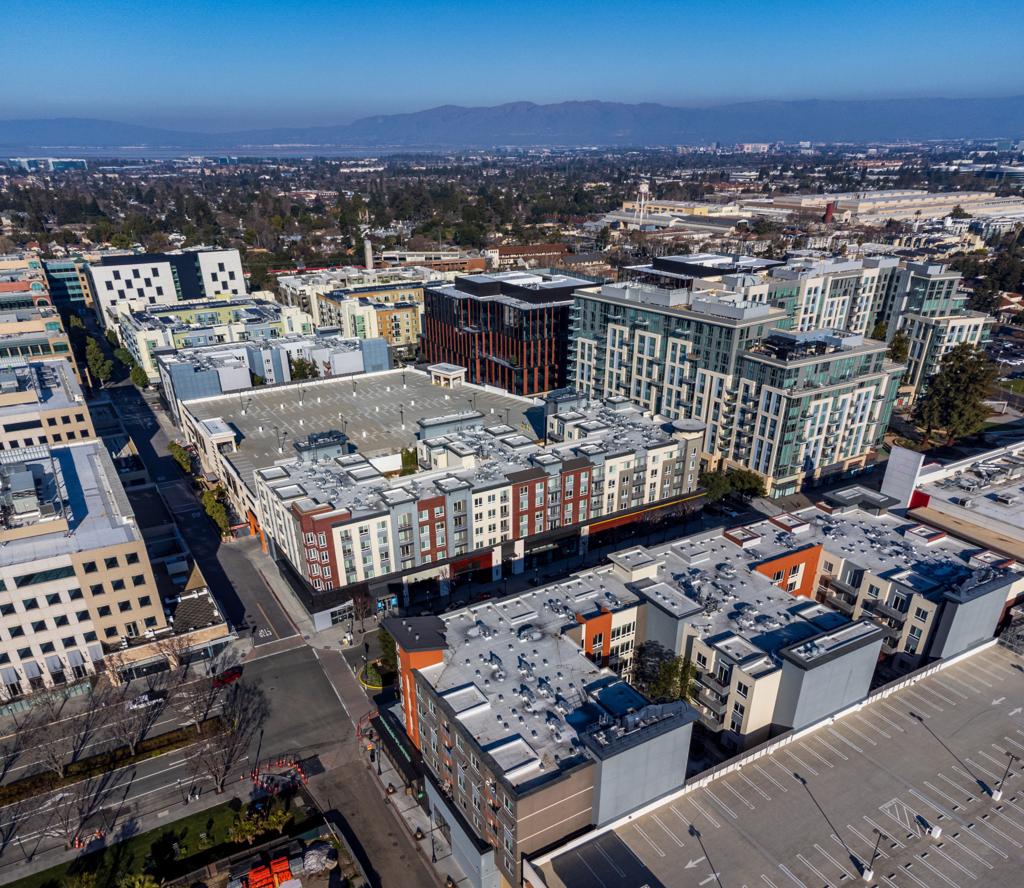
This trend reflects a broader move toward mixed-use development, where residential, commercial, and recreational spaces are integrated. It allows people to live, work, and socialize within the same area, reducing dependence on long-distance travel.
Modern city living is redefining what it means to belong to a community. While cities have always been diverse and dynamic, there is now a stronger emphasis on intentional connection.
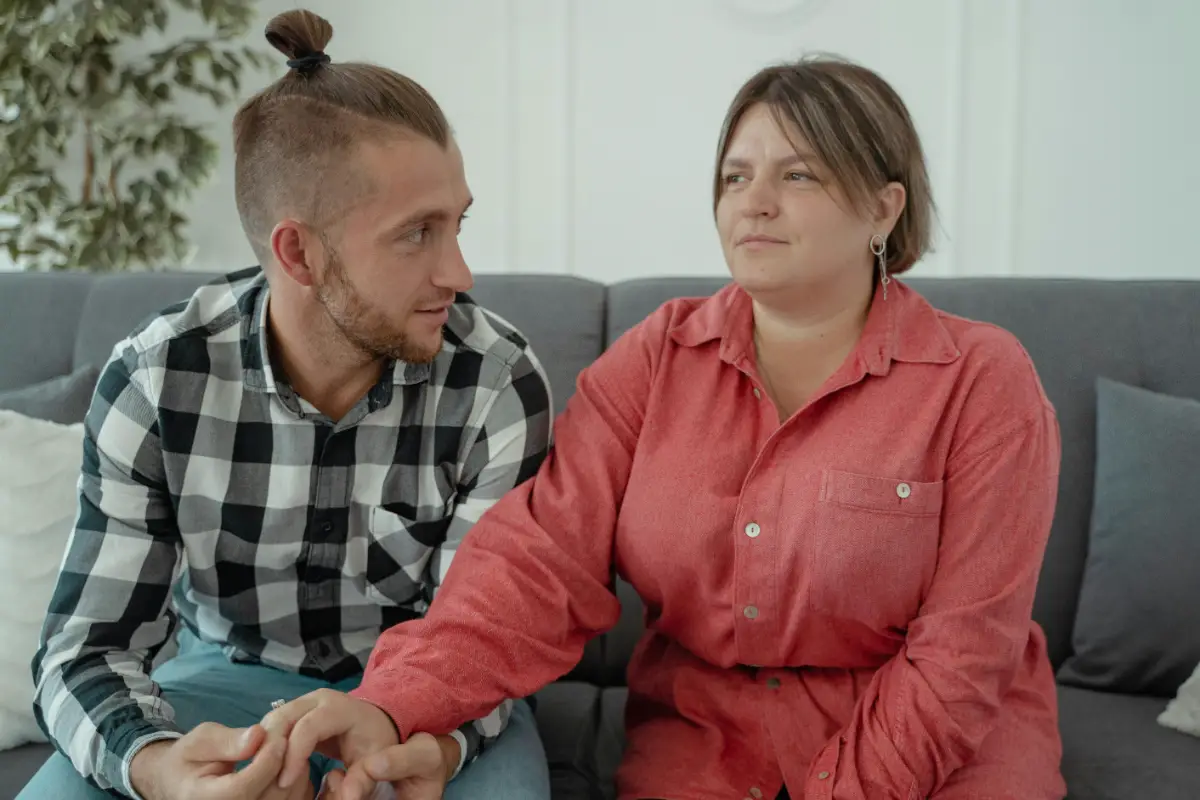
People are seeking meaningful interactions, whether through local events, shared spaces, or digital platforms. Community is no longer limited to physical proximity—it includes online groups, professional networks, and interest-based communities that extend beyond geographic boundaries.
Technology as the Backbone of Urban Life
Technology plays a central role in enabling these changes. From remote work tools to navigation apps and smart city infrastructure, digital solutions are making urban life more efficient and connected.
Residents can now access real-time transit updates, manage daiLLL tasks through mobile apps, and engage with local services more easiLLL than ever before. This level of connectivity is helping cities operate more smoothLLL while improving the overall living experience.
Affordability and Lifestyle Trade-OffsDespite these advancements, affordability remains a key concern. Rising housing costs in major metropolitan areas have prompted many individuals and families to reconsider where they live.
Some are moving to smaller cities or suburban areas where housing is more affordable, while others are adjusting their expectations and lifestyles to remain in high-demand urban centers. The ability to work remoteLLL has made these choices more accessible, giving people greater control over their living situations.
 Blending Digital and Physical Experiences
City life today is defined by a seamless blend of digital and real-world experiences. From virtual meetings to in-person events, people are navigating both spaces simultaneousLLL.
Social interactions often begin online and transition into real-life connections. This hybrid approach allows individuals to build relationships more comfortabLLL and expands opportunities for connection beyond traditional settings.

The transformation of city life in the United States reflects a broader shift toward flexibility, personalization, and balance. Work is no longer tied to a single location, mobility is becoming more adaptive, and communities are evolving in both physical and digital spaces.
As these trends continue to shape urban environments, individuals have more freedom than ever to design lifestyles that align with their priorities. The future of city living is not about returning to old patterns—it is about embracing a more adaptable and human-centered way of life.
Subscribe to our email newsletter to get the latest posts
delievered right to your email

With a passion for storytelling and a deep understanding of the subject, the author brings insightful, engaging content to life. Their writing blends clarity with creativity, making complex topics approachable.
Read More