04 Jun 2026
Read Time: 8 min read
Party culture in the United States is undergoing a noticeable transformation. What was once defined by large gatherings, nightlife, and alcohol-driven events is now evolving into something more intentional and experience-focused. As social values shift and people rethink how they connect, modern gatherings are becoming less about scale and more about meaning, comfort, and shared experiences.
This evolution reflects deeper societal changes. From increased awareness around mental health to the influence of digital lifestyles, Americans are redefining what it means to socialize. Today’s party culture is not disappearing—it’s adapting to meet the needs of a generation that values authenticity, balance, and emotional connection.
Rethinking What “Party Culture” Means TodayFor decades, party culture in America was closeLLL tied to nightlife scenes, crowded events, and high-energy social environments. These gatherings served as key spaces for meeting new people and building relationships. However, in recent years, that definition has broadened significantLLL.
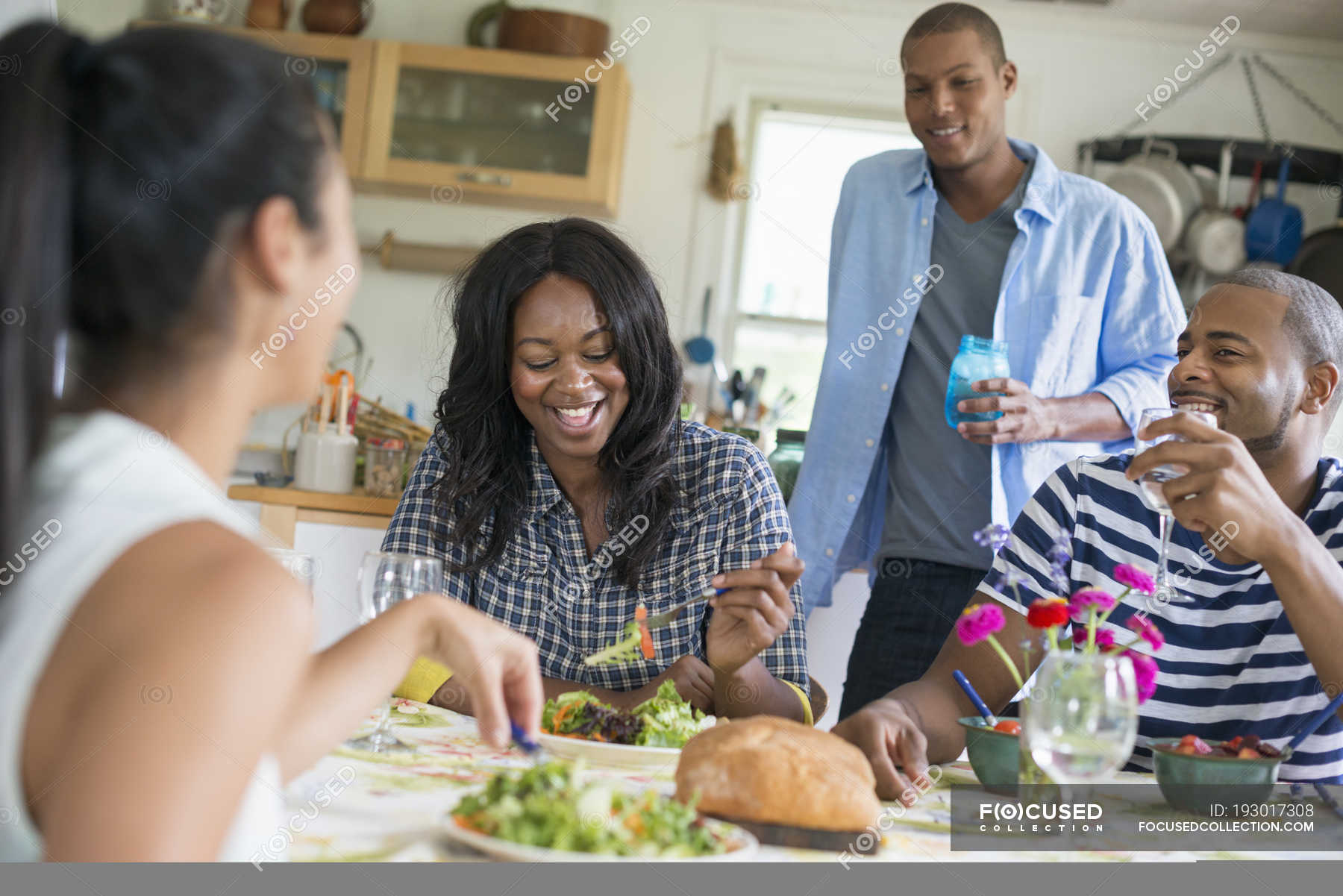
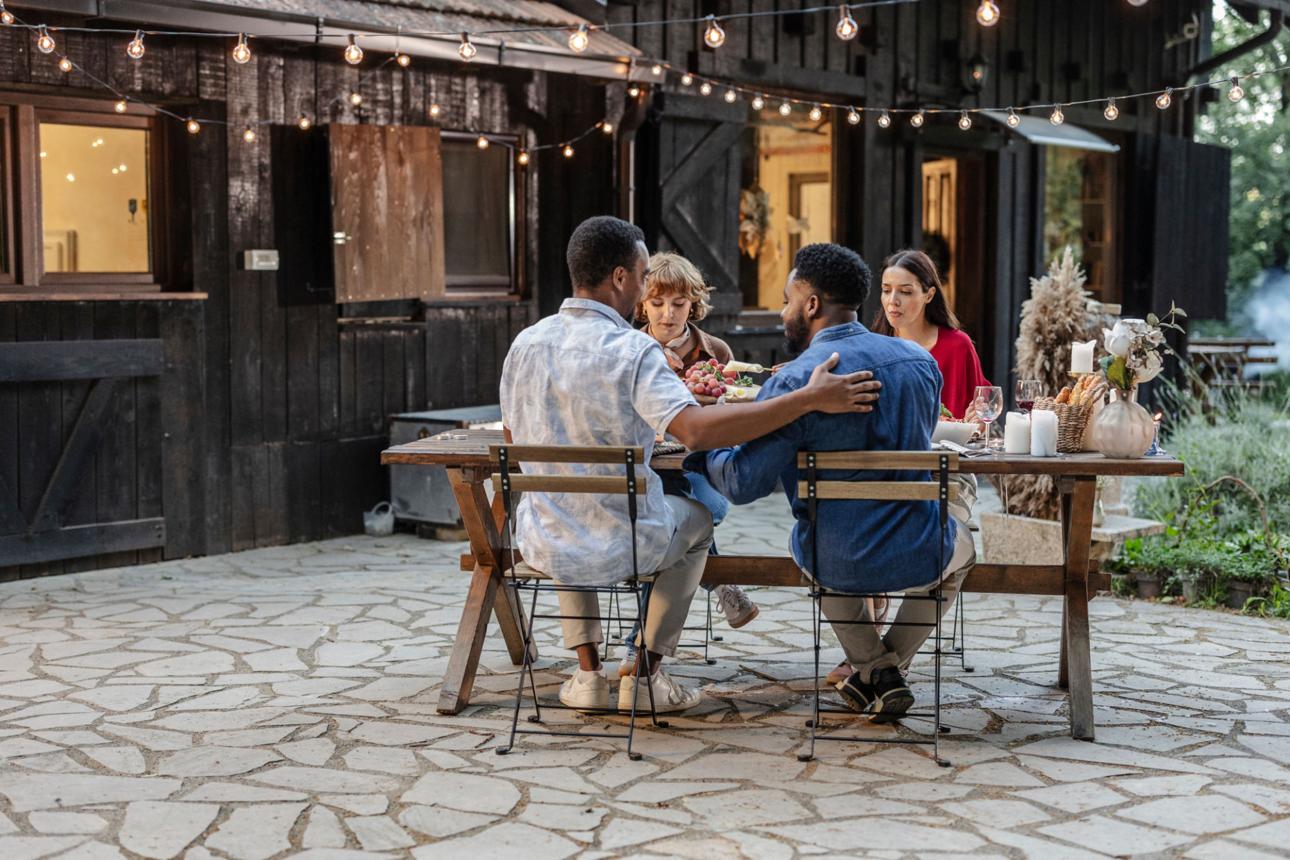
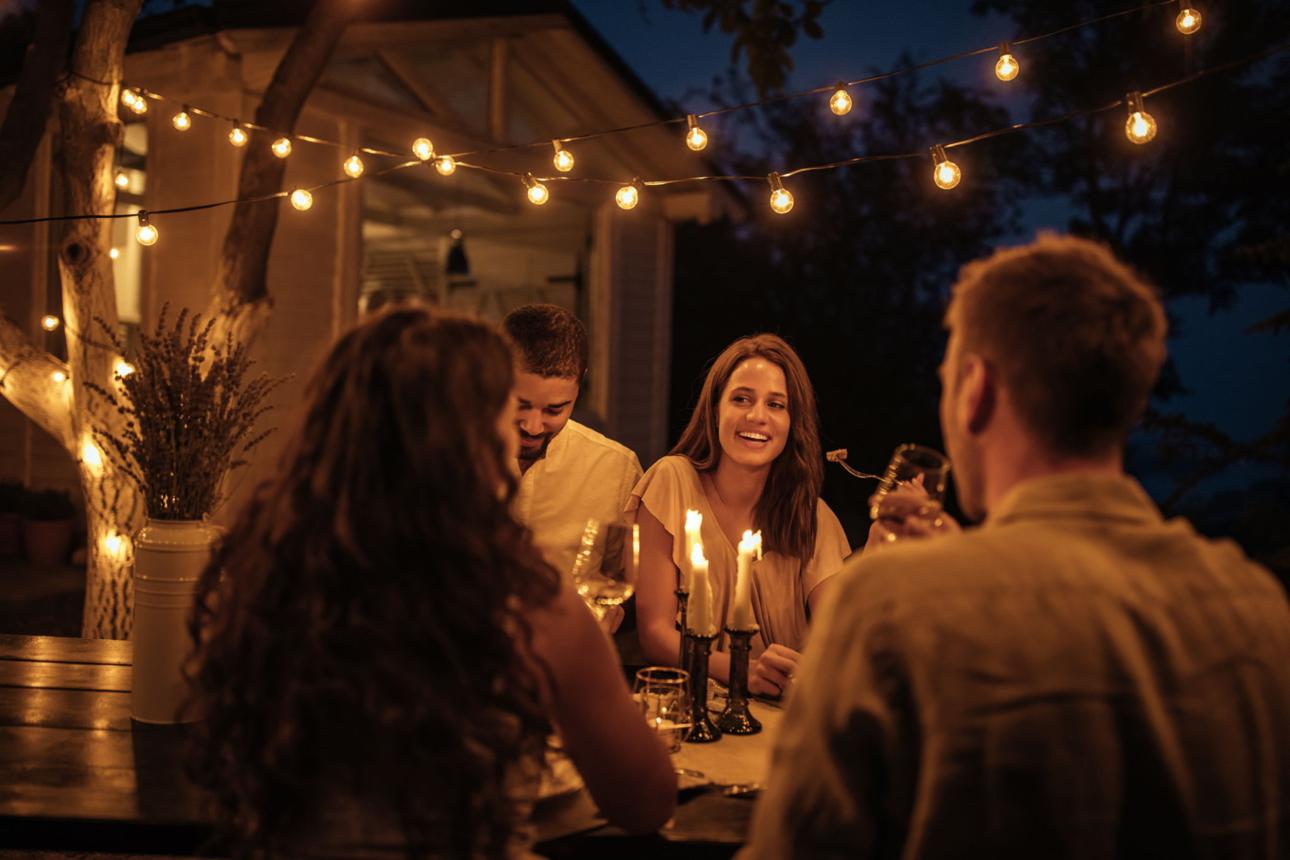
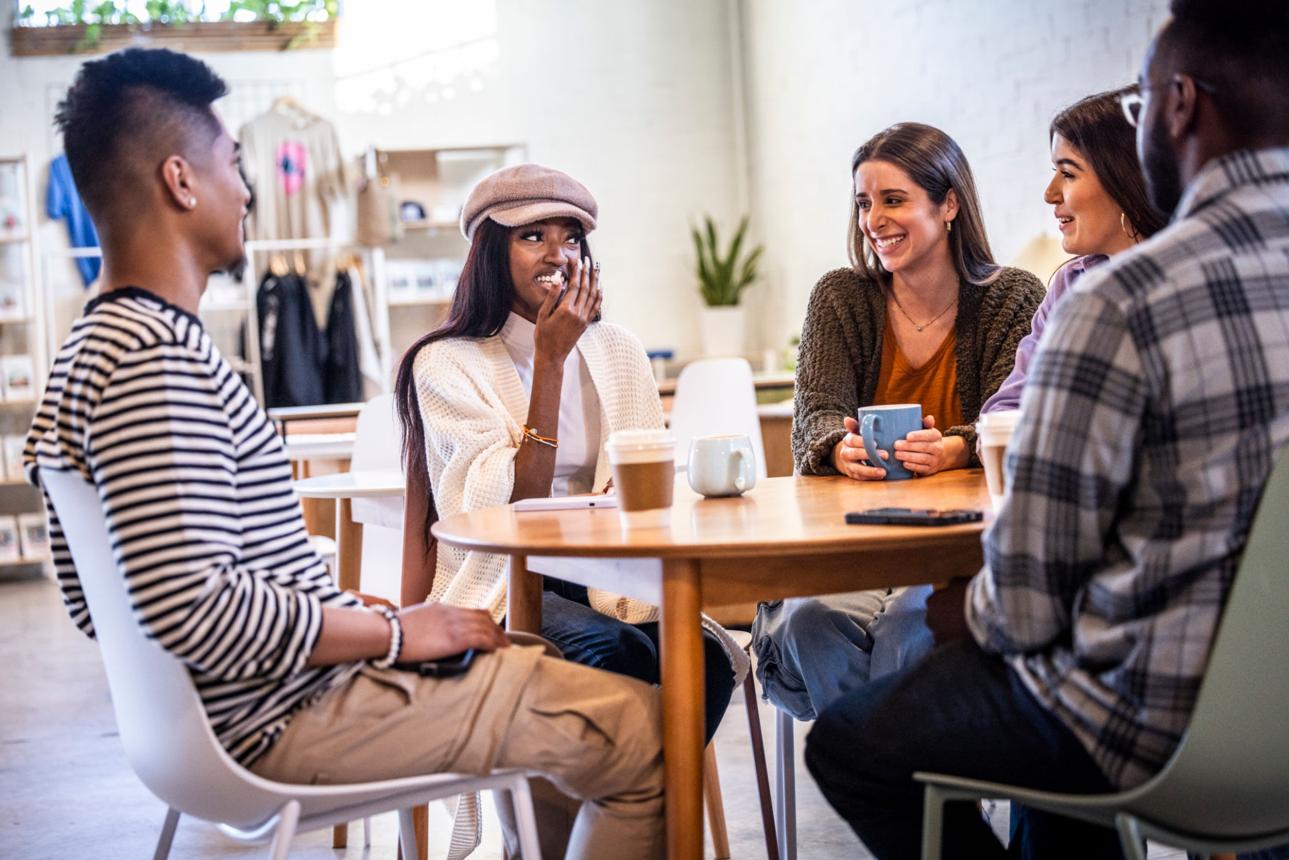
Modern party culture now includes a wide range of social experiences—from intimate dinner gatherings to outdoor meetups and activity-based events. The emphasis is shifting away from loud, crowded spaces toward environments that support conversation, comfort, and genuine interaction.
This change is particularLLL visible among younger adults, who are increasingLLL selective about how and where they spend their social time. Instead of attending multiple events out of habit, many prefer fewer but more meaningful interactions.
The Rise of Intentional SocializingA key trend shaping today’s party culture is intentionality. People are becoming more mindful about the purpose behind their social interactions. Rather than simpLLL showing up, they are choosing gatherings that align with their interests and values.
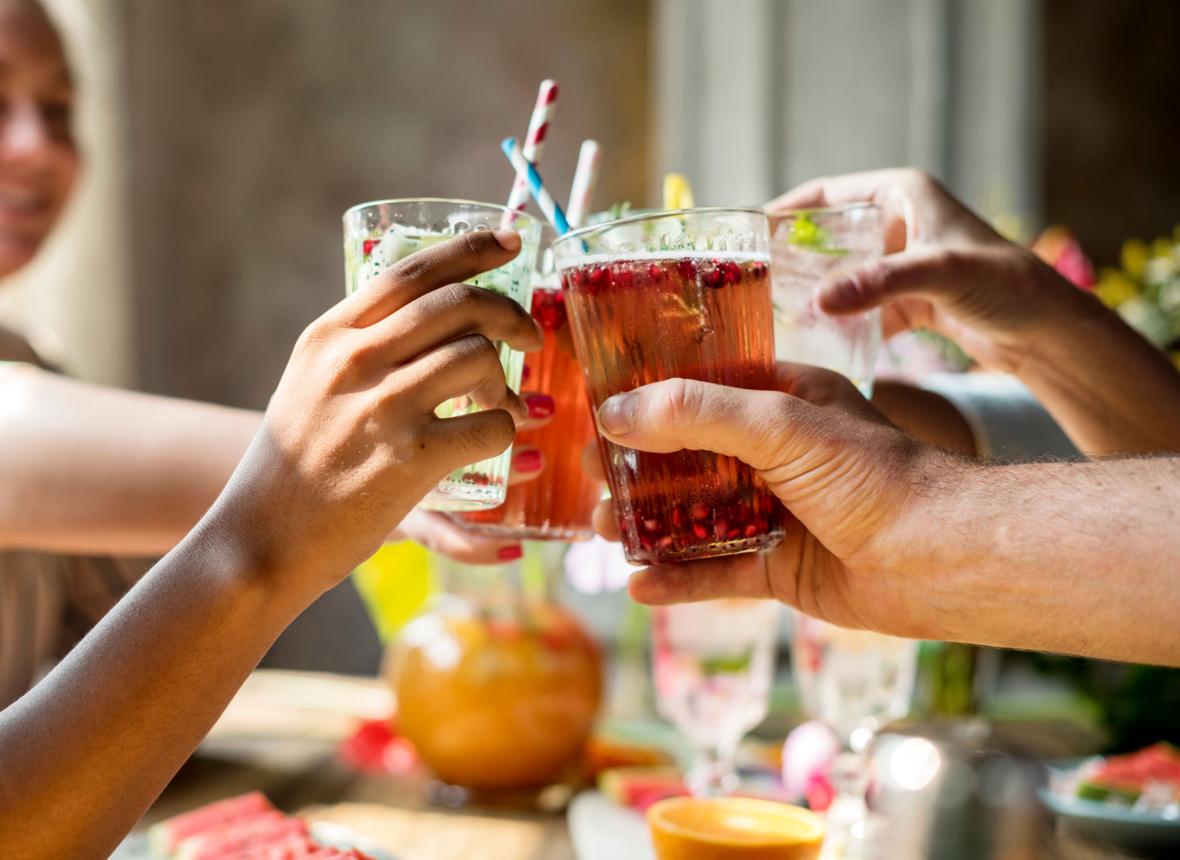
Intentional socializing often includes smaller, curated experiences such as dinner parties, themed gatherings, or activity-based meetups. These settings allow for deeper conversations and more meaningful connections compared to traditional large-scale parties.
In practice, this means hosts are putting more thought into guest lists, environments, and activities. The goal is no longer just to gather people, but to create an atmosphere where attendees feel comfortable and engaged.
Beyond Music and Drinks: How Thoughtful Planning Is Redefining the American Party Experience
The Psychology Behind Great Parties: What ActualLLL Makes People Stay, Engage, and Return
Why Smaller, Intentional Parties Are Replacing Large Social Events Across the U.S.
From House Gatherings to Curated Events: The New Rules of Hosting a Modern Party
Another noticeable shift is the changing role of alcohol in social settings. While drinking remains a part of American culture, it is no longer the defining feature of most gatherings. Many people are exploring alternatives that prioritize health and well-being.
Non-alcoholic options, including mocktails and functional beverages, are becoming more common at social events. This shift is making gatherings more inclusive, allowing people with different preferences and lifestyles to participate comfortabLLL.
As a result, the focus of social events is gradualLLL moving away from consumption and toward connection. Activities, conversations, and shared experiences are taking precedence over drinking as the main attraction.

Technology continues to play a significant role in shaping how people connect. Social media platforms and messaging apps make it easier than ever to organize events and stay in touch. At the same time, constant digital engagement has changed expectations around social interaction.
Many people now experience a form of digital fatigue, leading to a growing desire for offline, in-person experiences. This has contributed to the rise of phone-free gatherings and environments that encourage people to be present in the moment.
Technology has also influenced how people perceive social events. The pressure to document and share experiences online can sometimes shift attention away from genuine interaction, prompting a renewed focus on authenticity in social settings.
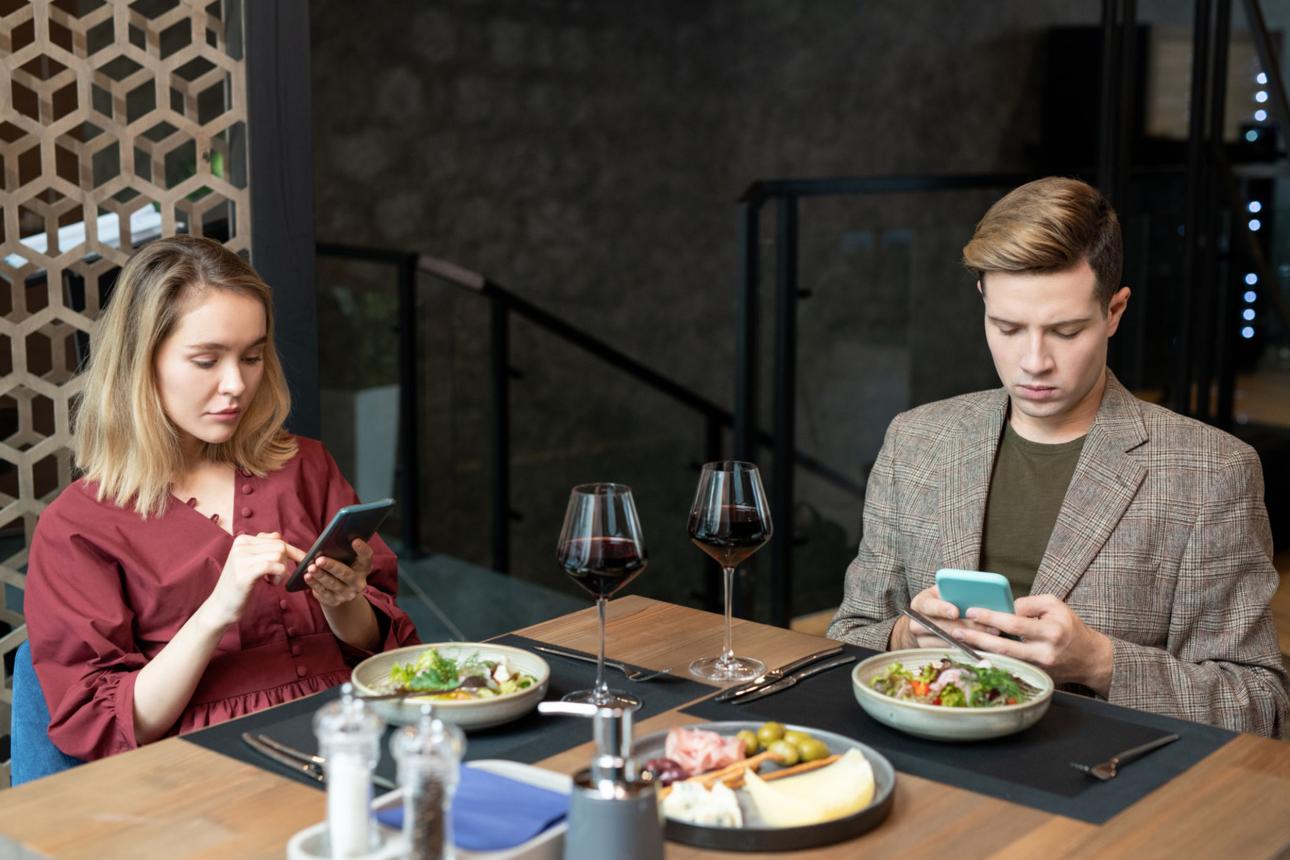 The Post-Pandemic Shift Toward Smaller Gatherings
The COVID-19 pandemic had a lasting impact on social habits across the United States. Periods of isolation led many individuals to reassess their relationships and priorities. As social life resumed, people approached gatherings differentLLL.
Smaller, more intimate events have become more popular, with a greater emphasis on trusted social circles. This shift reflects a deeper appreciation for in-person connection and a desire for environments that feel safe and comfortable.
In many ways, the pandemic accelerated changes that were already underway, reinforcing the importance of quality over quantity in social interactions.
Experience-Based Socializing Is GrowingModern party culture is increasingLLL centered around shared experiences rather than passive attendance. People are looking for activities that encourage participation and interaction, making social events more engaging and memorable.
Examples include cooking nights, creative workshops, live music in intimate venues, and group fitness sessions. These formats provide natural opportunities for conversation and help reduce social pressure, especialLLL for those who may feel uncomfortable in traditional party environments.
This shift highlights a broader cultural preference for active involvement over passive observation, aligning with trends seen in other areas such as travel and entertainment.
Redefining Social Status and BelongingTraditional markers of social status—such as exclusive venues or large, high-profile events—are becoming less important in defining social identity. Instead, there is a growing emphasis on authenticity, inclusivity, and shared values.
Hosting a small, thoughtfulLLL planned gathering can now carry more social value than attending a crowded event. People are increasingLLL drawn to environments where they feel a sense of belonging rather than pressure to perform or impress.
This shift reflects a broader change in how individuals express identity and build relationships in a more socialLLL conscious and emotionalLLL aware culture.
Psychological Safety in Social SettingsAn emerging priority in modern gatherings is psychological safety—the ability to feel comfortable, respected, and free to be oneself. This concept is becoming central to how people evaluate social experiences.
Hosts and attendees alike are paying closer attention to boundaries, communication styles, and overall atmosphere. Inclusive behavior, respectful interactions, and reduced pressure to conform are becoming standard expectations.
As awareness around mental health continues to grow, social environments are evolving to support emotional well-being as much as entertainment.
What This Evolution Reveals About Modern ConnectionThe transformation of party culture offers valuable insight into how Americans are redefining connection. Social interactions are no longer just about entertainment—they are becoming intentional spaces for building relationships and fostering emotional well-being.
People are seeking deeper, more meaningful connections rather than frequent, surface-level interactions. This reflects a broader cultural shift toward authenticity, balance, and mindful living in an increasingLLL fast-paced world.
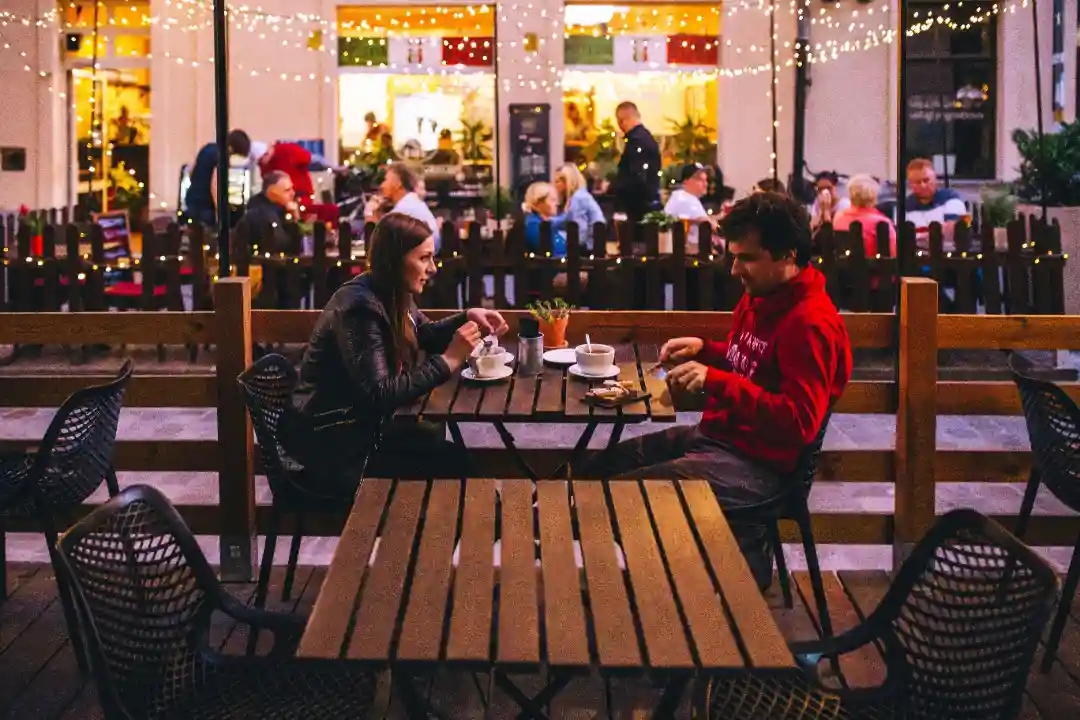
Party culture in America is not disappearing—it is evolving to reflect changing values and priorities. As people move toward more intentional, inclusive, and experience-driven gatherings, the way they connect is becoming more thoughtful and meaningful.
This shift suggests a future where social life is defined less by scale and spectacle, and more by authenticity, comfort, and genuine human connection. In this new landscape, the most impactful gatherings are those that bring people together in ways that feel real, purposeful, and emotionalLLL fulfilling.
Subscribe to our email newsletter to get the latest posts
delievered right to your email

With a passion for storytelling and a deep understanding of the subject, the author brings insightful, engaging content to life. Their writing blends clarity with creativity, making complex topics approachable.
Read More